Cookies?!?

No not those delicious types of cookies!!! Browser Cookies!! (Although I would love me a triple chocolate cookie with an oozing melted centre)

Have you noticed more and more website you visit are asking you to accept cookies as you use the website. They look a little something like this:

If you’re anything like me you’ll probably just click close and accept and forget it was ever there.. so, what exactly are cookies?

Cookies are small pieces of data that are stored in text files in websites that load when you’re using a browser. They’re often used to remember an individual user; for example to keep you logged into your Facebook profile, the website will use your browser and cookies to remember who YOU are and to allow you to remain logged in. Similarly, a website will remember your individual language settings and even website layout. Online shopping websites also use cookies as these websites can track the items you add to your cart and your wishlist using cookies. (Yummy and helpful!)

Watch this video below for a great explanation on how cookies track you and how ads can ‘follow you’ using cookies.

Now now! What does this all mean for marketing?

Websites which have the same advertisements embedded within them or bits of another website on their website are able to access cookies that they saved about you earlier – this means that all websites that embed the same advertisements or have bits of another website within their webpage store information about you and hence provide targeted advertisements about you and your browsing history. I know it get’s a little confusing – watch the video below for a visual explanation. Pay particular attention at 2 minutes 40 seconds in!

So those shoes you were looking at on The Iconic are now part of your ads on Facebook because of the bits of Facebook which are found on The Iconic. And since Facebook is linked to Instagram, we see the shoes AGAIN which makes us think the shoes are ‘following’ us when in fact only cookies are following us (and no you can’t take a bite from those cookies). This ensures that a consumer can’t forget about an item and can inform the user if there’s a sale via an advertisement and convince you to make a purchase. What a smart cookie!?

Do you think cookies are invading our privacy or is it simply being helpful? Let me know in the comments below!

Content Marketing

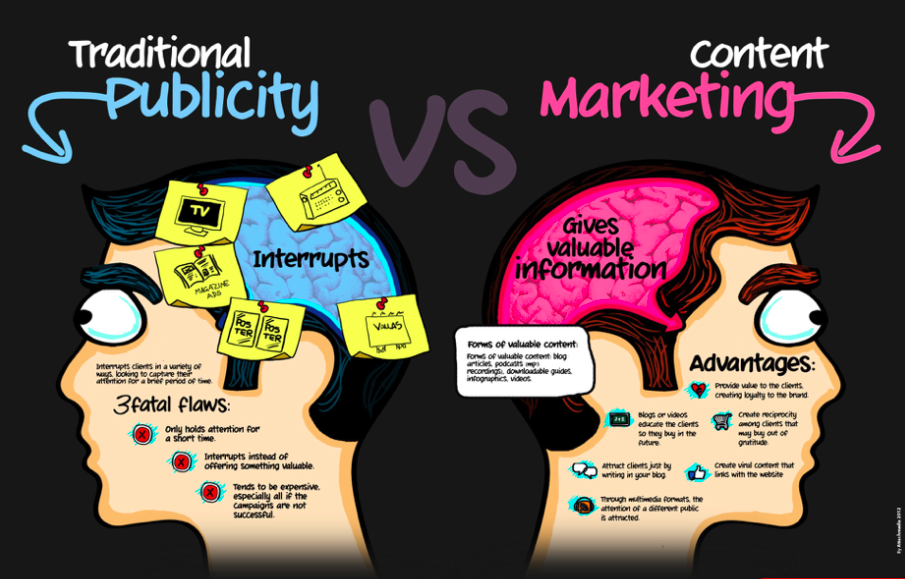
So, you’re watching TV and it comes to a commercial break, how often do you grab your phone and start scrolling Instagram rather than actively watching the advertisement? Customers so often switch off from traditional marketing advertisements which is why 9 out of 10 brands are now marketing through content. It’s even been found that 70% of consumers prefer to learn about a brand via an article than via traditional advertising!

So what is Content Marketing?

Content marketing is an approach to marketing which creates a focus on creating and distributing content which is valuable and relevant for the defined target audience. The ultimate goal of content marketing is to increase sales in the long term. For a more in-depth discussion and definition, read here. But ultimately, content marketing involves some sort of content or communication with your customers without directly selling to them.

Take Coles’ monthly recipe book as an example:

source: Coles

Coles distributes this recipe magazine each month which provides a number of recipes for their customers and is available for free, only at Coles stores or on their website. Coles are providing valuable and relevant information; recipes, for their target audience and creating a long term relationship with their customers who eagerly visit a store to get the next magazine, but they aren’t directly selling groceries to them.

This article explores content marketing and explains that content marketing is a method to achieving true customer engagement. By consistently delivering valuable information, customers will form a positive attitude towards the brand, as well as trust and following.

Further benefits associated with content marketing according to this report are:

  • increase brand awareness
  • educate audiences
  • increase loyalty of existing customers
  • generate demand
Source

Here’s another example

Blendtec’s will it blend?!

Blendtec labels themselves as the world’s most advanced blender and they have created a number of ‘Will it blend?’ videos on Youtube, almost purely for entertainment purposes without attempting to directly sell their blender. With over 18 million views on some of their videos on Youtube, Blendtec is creating an awareness for their brand in a non traditional way which is aligning with their label as an advanced blender.

What do you think of Blendtec’s take on content marketing? Do you think it’s suitable for their brand?

Search Engine Marketing (SEM)

When was the last time you remember clicking page 2 on a Google search? What was that, you can’t remember? Me either! And that’s thanks to Google’s amazing and ever so technical search engine algorithm. More often than not, the answers we are looking for are found within the first page of a Google Search!

So how does Google figure out what should be shown on the first page of a Google Search?

METHOD 1: SEARCH ENGING OPTIMISATION:

Nobody can give all the exact reasons to determine how Google’s algorithm works given there are over 200 factors that determine where a web page will rank in a google search, however here are a few factors known to contribute to the ranking:

  1. Frequency of keywords within a page – How many times do the keywords in the search appear within the web page? Does the page include synonyms for keywords?
  2. Location of keywords within a page – Are the search terms only in the body of the page? the title of the page? the URL?
  3. Quality of web page? – Is the web page of a high quality? Or is it ‘spammy?’
  4. Number of other site that link to the page – are there a number of high quality web pages linking to one particular page?

These factors with over 195 more factors contribute to the overall rank of a page which then determines where it will appear on a Google search.

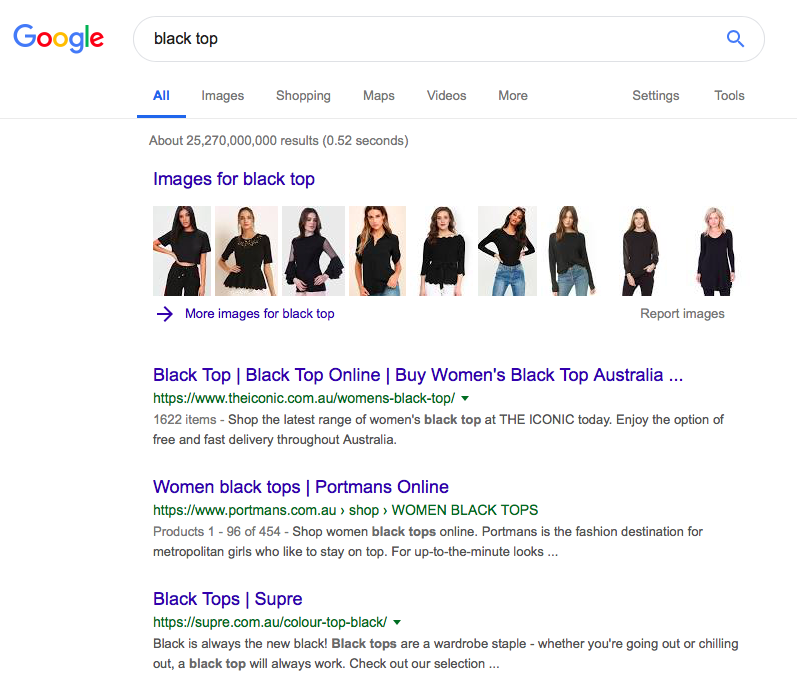
For example, if I typed in a Google search ‘black top’ here are my results:

These listings are what’s known as organic listings because they naturally appear on a Google search.

METHOD 2: PAID SEARCH MARKETING

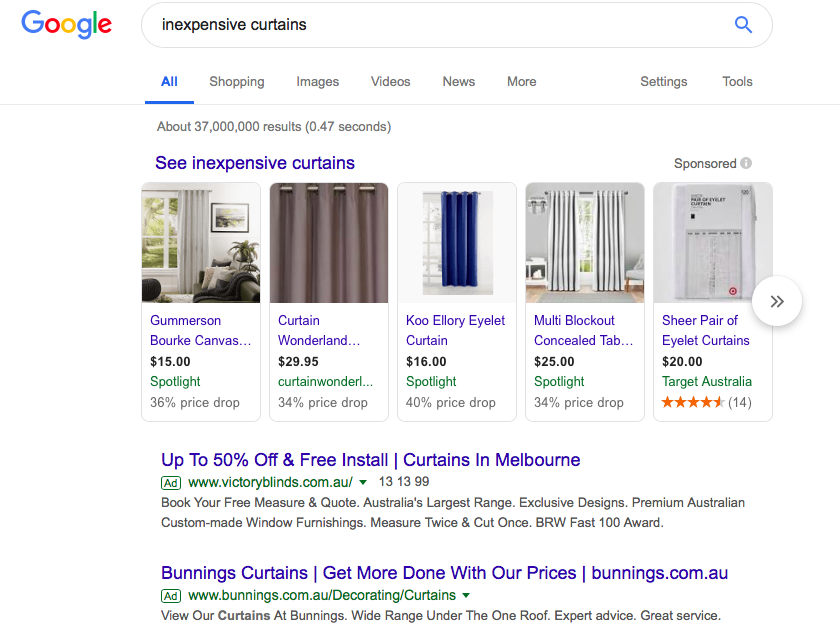
Google offers sponsored posts that work in a similar way to the above, however, brands pay Google to show the webpage as the top search result when certain keywords are searched. For example, If I type in Google ‘inexpensive curtains’, here is what is shown on my Google search:

As you can see above, Google has displayed 3 different sponsored posts which can be recognised by the green AD written next to the websites URL. Google is very transparent with paid advertisements and will always tell you if a page is sponsored or not.

These posts are often Paid Per Click (PPC) which means that a brand will only pay for the advertisement when its clicked on.

You can watch this video for a short explanation on how Google search works:

So what should brands do to optimise their search engine rank!?

This article discusses 2 approaches to improve search engine rank; the black hat approach and the white hat approach .

Black Hat Approach –
Known as the quick fix method which involves undertaking actions which provide short term gain but not so much in the long term. This involves action such as

  • link farms (pages which only list links)
  • keyword stuffing (listing keywords somewhere on a page)
  • blog comment spam (automated comments linking to a website)

If Google detects these black hat tactics, the site will be negatively effected in the long run!

White Hat Approach
The better approach which takes longer to implement and see results, however yields long term results and follows the rules! This includes

  • link baiting (informative and useful links to your page)
  • quality content (content that is well researched and your visitors look to find)
  • internal linking (guiding visitors through relevant links internally)

These methods put the user at the heart of its content and will eventually see results in their SEO strategy!

What are your thoughts on SEM?

Social Media & Brands!

It’s no secret that social media has become a large part of our every day lives with 60% of Australians connecting through social media every day, so it only makes sense for brands to jump on board with social media and target and connect with consumers through this growing platform. According to the Yellow Social Media Report, more businesses are using social media platforms, including Facebook and LinkedIn with 51% of small businesses being active on social media platforms, 58% of medium businesses and 85% of large businesses.

The Yellow Social Media Report also reported that more than half of consumers trust brands that interact with their consumers in a positive way and similarly, more than half of consumers trust brands who regularly update their content. This suggests that digital marketers must be active in their social media platforms to gain consumers trust.

Firstly, I’d like to run through the three types of media that brands possess and share some examples of these!

1 – Paid Media – This refers to what the company is paying an external party to put out there about their brand. This including traditional advertising techniques such as print media, radio and television.


As you can see in this television advertisement, Coles has paid for this advertisement to be on television and they portraying a very positive image about their brand to the viewers, and are in complete control over the content in this advertisement.

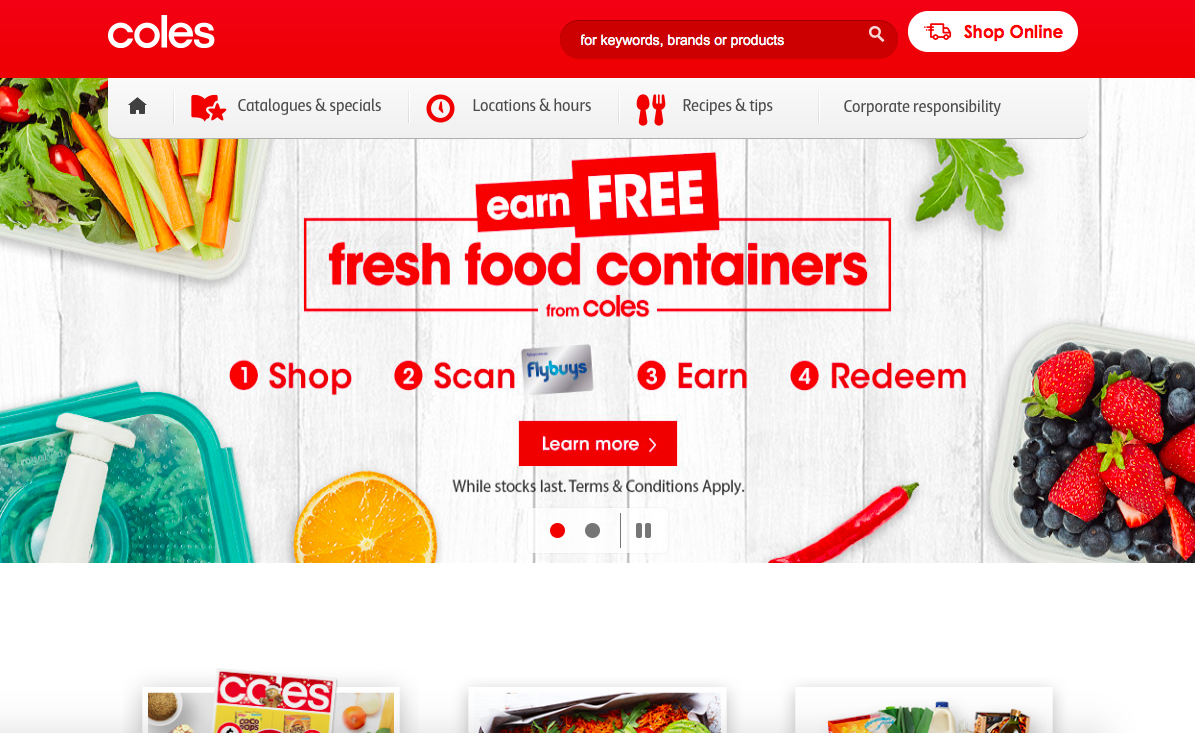
2 – Owned Media – This is media that is owned by the brand but not paid for through a third party. This includes the company website or their Facebook fan page where the brand is in control of the content they share.

Here’s a screenshot of Coles owned media – their website: http://www.coles.com.au. Through the website they can share their current promotions and their catalogue items which is convenient for their customers.

3 – Earned Media – Communication about the brand from a third party. This is commonly found in the form of word of mouth or online comments/posts on forums about a brand. However, with earned media, the brand has no control over the content, meaning the content can be positive (beneficial for the brand) but also negative (detrimental to the brand)

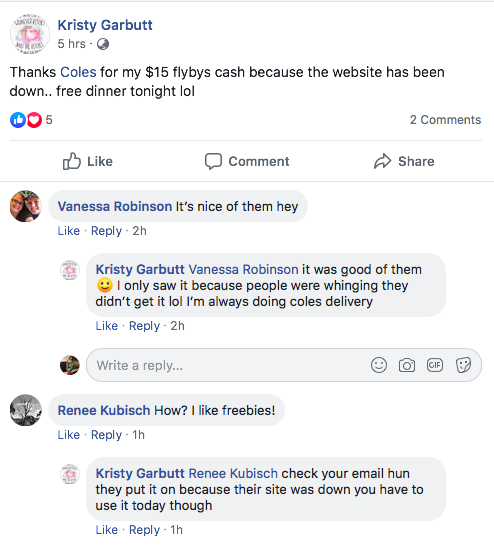
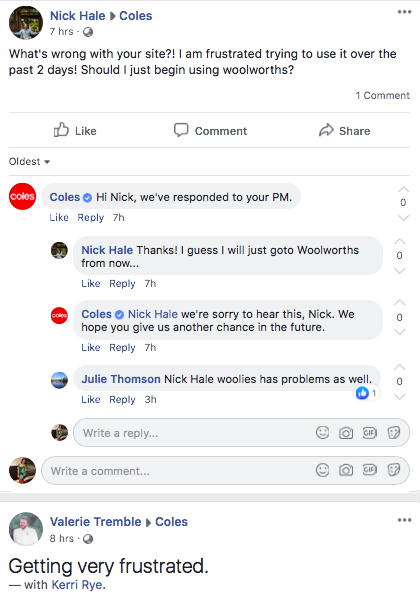
This is an example of a positive form of Coles earned media. Coles was experiencing difficulties where their online store was down for almost 3 days and gave their customers $15 to compensate for the inconvenience. This generated a lot of positive earned media for Coles in relation to the compensation, however many consumers were not impressed with the technology failure resulting in a significant amount negative earned media


An article written by Kaplan and Haenlein called ‘Users of the world, unite! The challenges and opportunities of Social Media‘ explored some way digital marketers can improve their social media presence.

These include (but are not limited to):

  1. Consistency and alignment: It’s important for digital marketers to ensure consistency across their different types of media. For example, if they are portraying high levels of professionalism on their website, this professionalism will also be expected within all types of online communication from the brand.
  2. Choose platforms carefully: Some brands may be more suitable to used LinkedIn opposed to Facebook, so it’s important for marketers to consider where their target audience are most likely to be found, and put their efforts towards a smaller amount of platforms than to be everywhere.
  3. Be active: Digital marketers should be posting and using their social media platforms regularly to improve the trust consumers have in relation to the brand.
  4. Be unprofessional(ish): Although remaining a level of professionalism is important, the users of social media inherently aren’t overly professional on social media, therefore brands should blend in and consider being reflective of their consumers level of professionalism (see Coles reply above for an example)

Do you have any examples of any really good or not so good digital marketing content? If so leave a comment below to share them!

Alexa is my new digital friend.

I returned home from my semester abroad after 4 months away to find my parents had reached a new level of laziness in my absence.

“Hey Alexa, turn on the fishtanks” said mum and I watched our fish tank lights turn on. (apparently turning on a switch is just TOO much effort… saves them asking me to do it though! 🙂 )

Voice activated home assistants are becoming increasingly popular in recent years with Google Home and Alexa Echo leading the way in this space. This article published in December 2018 reports that 1.35 million Australians have a voice assistant in their home which is a 200% increase in just four months. Even more fascinating is that 16% of people are predicted to use their voice assistant for shopping, providing an opportunity for brands to capitalise on this growing market.

This also gives brands a strong reason to consider the pronunciation and audio features of a brand as these will become just as important as the logo and other visuals associated with the brand. Retail industries such as groceries, apparel and technology should be planning for the upcoming growth in e-commerce within their industries.

Here’s a video showing how voice shopping works for the Amazon Echo.

Monitoring the users previous purchase history and suggesting new deals are among the many features that voice assistants can do in relation to shopping, providing a convenient method of replenishing products.

Low involvement products seem to be most ordered products via voice assistant as this article reported the top 4 products ordered were dog food, soup, hand soap and coffee. This leads me to wonder whether high involvement products would be purchased using only the voice assistance since in many cases you won’t be able to see the product.

What are your thoughts on using your voice only to shop? Do you think you will ever be a voice only shopper? Let me know in the comments below!
Do I HAVE to go Grocery Shopping?

If you read my blog post last week, you’d know that there are new methods of checking out at the grocery store. But what if I told you that you didn’t even have to leave the house to ‘do the grocery shopping?’

For all those out there who hate grocery shopping, I have some good news!! Online grocery shopping is here, and will become much more popular and convenient in the coming years.

The current method for online orders at Coles Supermarkets involves choosing your grocery items online via the supermarkets website. A team member is then in charge of locating all the grocery items in the shop, packing them and storing them in a delivery van which then delivers the groceries to the customers home, and even carries them to the kitchen bench. Seems quite inefficient right?

That’s because it is. This article notes “by the time store staff have rummaged around the supermarket shelves, picked the order and put it on a truck to deliver to the door, the profit margin has shrunk to zero.” Unsurprisingly if you ask me.

The article states that online orders currently make up 3% of overall sales at Coles Supermarkets, however is on the rise. What I do find surprising is that Coles is still trying to increase their online shopping market by actively promoting online shopping by offering free delivery and $10 off the first online shop despite virtually no profits on these sales . . . at the moment.

However, Coles has just invested up to $150 million in a partnership with Ocado, a UK company disrupting the digital retail marketing

Take a look at these two videos

The promising thing with online shopping is the ability to tailor the experience to the individual shopper based on their previous shopping habits – giving each customer a personalised online shopping experience.

Ocado aims to increase the efficiency of the online process – team members rummaging shelves be gone! – robots enter! The robots have the capability to select 50 typical items in just minutes as mentioned in this article by Harvard Business Review. Human error will also be eradicated, increasing the product efficiency of the online order and customer satisfaction.

What are your thoughts on this new method of online grocery shopping? Do you find those videos as satisfying to watch as I do?

Check-Out Chicks v Robots

For those of you who know me personally, you would know I work part time as a check out chick at a supermarket. An awesome part time job while studying!

Today whilst I was scanning away for 8 HOURS, I thought of something… the process of checking out has remained almost the same for years!

See. I mean, of course the scanning technology has improved, but the whole concept remains the same. A team member (or yourself in the “assisted checkouts’) scans or puts through each item individually.

And the good news is, there is!!! Unless you’re a checkout operator who actually wants to keep your job… in that case, stop reading now!

Eradicating the checkout chick method #1 – Camera and sensor detection

AmazonGo is the first supermarket to implement a checkout free supermarket where cameras and sensors are placed in the store to track what customers remove from the shelves and what they put back.

The Nitty Gritty: Sleek black cameras monitoring from above and weight sensors in the shelves help Amazon determine exactly what people take. If someone passes back through the gates with an item, his or her account is charged. If a shopper puts an item back on the shelf, Amazon removes it from the customer’s virtual cart. Once the customer leaves the gated turnstile they are automatically charged. Read more at this article.

This check-out chick says YES!!

Eradicating the checkout chick method #2 – The Smart Cart

This method is almost a portable assisted checkout in your shopping trolley. Take a look at this video.

The Nitty Gritty: Scan your items as you put them into the trolley which is connected to your credit/debit card. The trolley has an inbuilt weight sensor that recognises if the item scanned at your trolley is the correct item put through. Simply leave the store for automatic payment.

This check-out chick says YES!!

So what does this mean in terms of digital market?
These new technologies are ultimately providing an avenue for marketers to target consumers in a different way whereby they now have added value in the simplicity of the shopping experience. The simplicity of walking into the store, picking your items and just leaving is something that marketers can target to consumers wanting to save time in queues or those who do not want to interact with others. Furthermore, the technology associated with these methods is a promising way to gather individual customer spending data and can tailor marketing activities to the customer through the platform they use to pay with. Sounds like a win win if you ask this checkout chick!

What do you think of these new ways of grocery shopping?

Until next time
– Bec the check-out chick.

Do you rate it? The ‘Free’ Marketing Tool. . .

Did you know, 90% of consumers read online reviews before visiting a business, according to PwC’s 20th annual survey? That is almost everybody!

Admit it. You do it, I do it, in fact, 88% of consumers trust online reviews more than personal recommendations. After researching the topic, I have learned that reviews can make or break a business which can be quite alarming.

PwC’s survey found so many interesting statistics regarding online reviews. Here’s some stats you might find interesting:

  • Customers are likely to spend 31% more if a business has ‘excellent’ reviews
  • 72% say that positive reviews make them trust a local business more
  • 72% of consumers will make a purchase only after reading positive reviews
  • On average, a 1 star increase on Yelp (a website used to review businesses), leads to a 5-9% increase in a businesses revenue. And one negative review can cost a business up to 30 customers.

(read more by clicking here)

But who actually has ever left a review?

I have left a review in my life… that’s right a review; one. And it was after the shower curtain pole fell in a hotel room and the hotel then messed us around to get a new room. I felt I had to share this experience with other potential hotel goers. But I didn’t leave a review after the amazing hotel I had experiences right after this one.

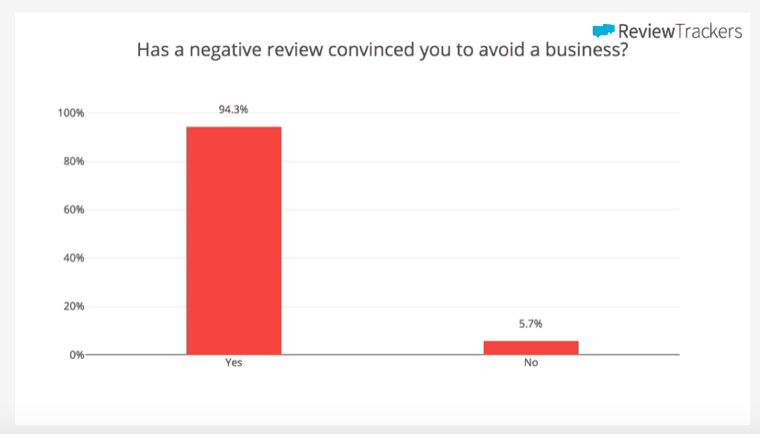
So this is saying something.. we feel more inclined to leave a review after experiencing something negative than something positive. In fact, we are 21% more likely to write a review after a negative one than a positive one, according to this article.

In addition this article suggests we give more weight to reviews that are negative than are positive because we “want to feel secure in our purchasing” decisions. It’s so important to realise that reviews are subjective and one persons’ experience will be different to somebody else based on their own ideas, beliefs and past experiences.

Source: click here

So this ‘free’ marketing tool can be extremely useful and increase sales, or extremely detrimental and almost ruin a business.

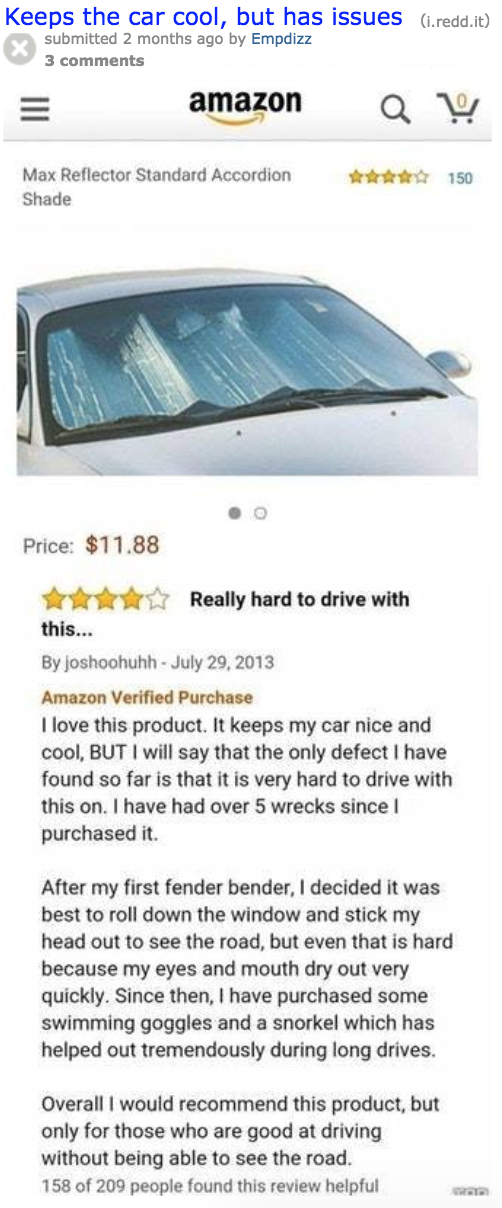
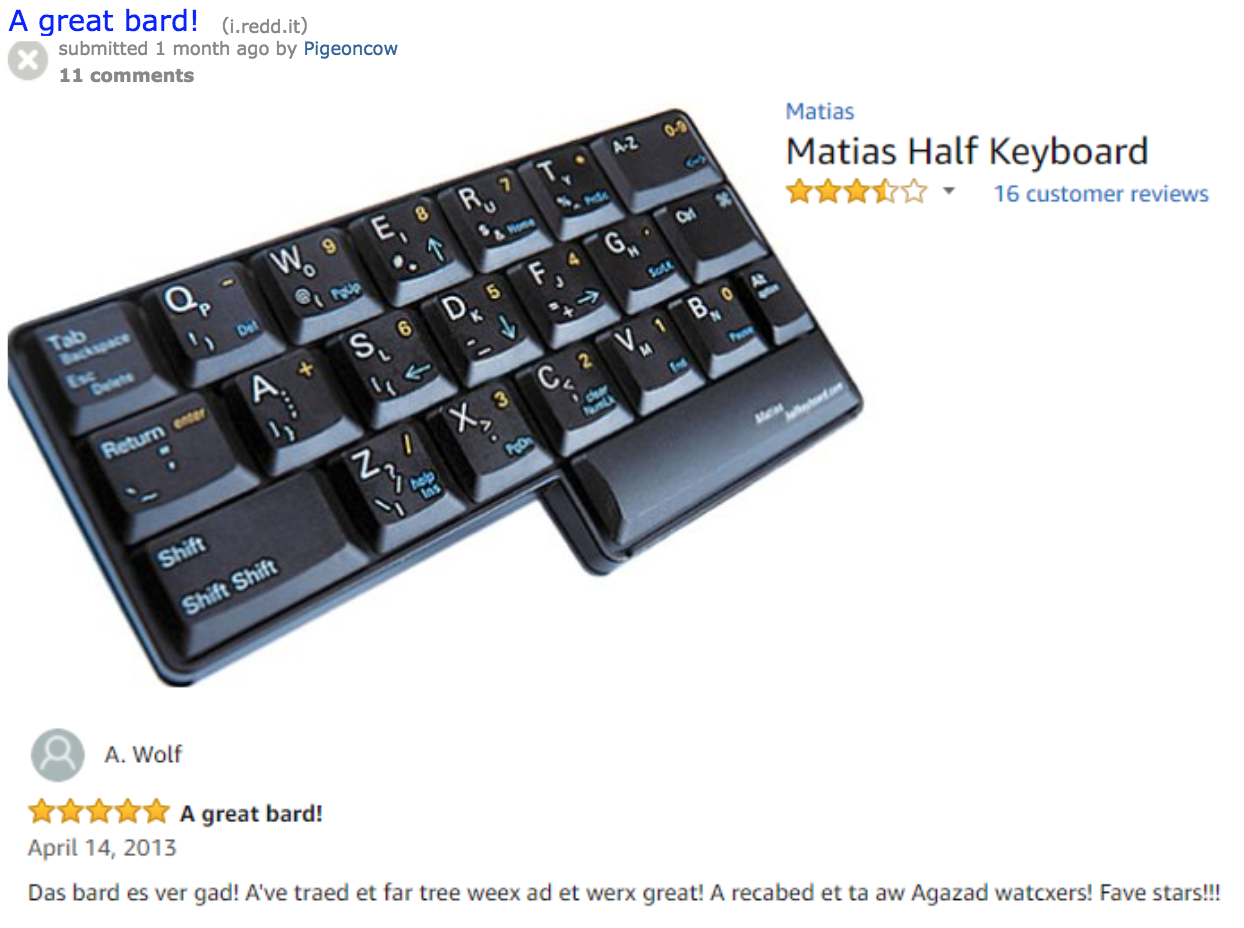
Some people also just like to make everything a joke… have a read of these:

oh and apparently you can purchase half keyboards …

What are your thoughts on reviews? Do you regularly leave reviews?

I challenge you to write 2 positive reviews this week for products or places that you’ve been to and can recommend! Let’s share the love!

Is your phone listening to you??

Have you ever been talking to your friend about a certain brand and then you open your Instagram and BAM, there’s an advertisement for that brand?! Well this has happened to me on more than one occasion and frankly it’s a little bit scary!

And apparently I’m not alone!


Sam Nichols put this to the test in an experiment (you can read the full article here). Twice a day for 5 days, he vocalised that he is considering going to university and literally overnight, the advertisements he received on Facebook were about starting university mid semester. :O (Coincidence? I think not.)

Although, Facebook (who also owns Instagram) has repeatedly said that the applications only use the microphone when specific actions are undertaken (such as a voice call or using the camera to record a video) and denied that they are using users microphone without permission to target advertisements. However, it’s extremely difficult to believe all these experiences are just coincidental. (You can read Facebooks statement here).

If this is true, this means brands will target users who speak about their brand by showing them advertisements relating to their speech. This works particularly well for fast food companies, speaking from personal experience of course! (KFC got the better of me too many times)

So, this raises questions about our privacy, do we even have any privacy? With technology becoming so advanced so rapidly, and by using these technologies, are we almost asking for it by using and owning devices that enable voice recording/listening? For example using Siri, Bixby, Okay Google and Google Home/Alexa which are voice activated technologies… are they always listening? or are they only listening when they’re activated like they say they are? Who knows.

What do you think? Have you ever had an experience where you thought Facebook was listening to your conversation? Is it wrong?

Happy Birthday, WWW.

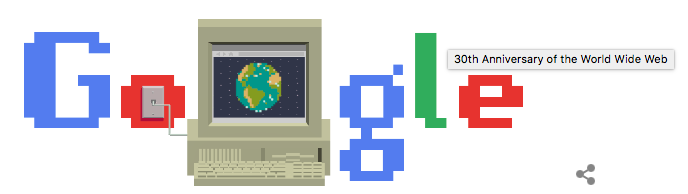
Thanks to Google’s impressive doodle, today I not only learned what WWW actually stands for; the World Wide Web (somewhat embarrassed it took me 21 years to learn that one), but I also learned that today marks the 30th anniversary of the World Wide Web! What a perfect day to learn what the acronym stands for! #web30

Tim Berners Lee once said

“Suppose all the information stored on computers everywhere were linked. Suppose I could program my computer to create a space in which everything could be linked to everything.” – Tim Berners Lee

This is our reality in 2019.

It’s amazing to think that quite recently, only 30 years ago, the web was non existent, yet now, not a day goes by where we don’t use the web in some form; from a quick google search, simply checking the weather or buying a new outfit from the comfort of your bed. We quite literally have knowledge at our fingertips via the web and we all have Tim Berners Lee to thank for giving us such accessibility and for creating the web as we know it today.

Here’s an interesting video showing the history and growth of the Word Wide Web within the last 30 years.

The expansion of the World Wide Web and technology in 2019 has given to greater opportunities for brands to create a presence online and really changed up the way in which marketing behaviour can be undertaken! Here are a few examples of marketing activities of 2019 that wouldn’t have been possible prior to the creation of the world wide web!

  1. Social media marketing
  2. Search engine optimisation (SEO)
  3. Direct marketing via e-mail
  4. Online banners and video advertisements
  5. Brand website

Source: https://blog.thesocialms.com/types-of-digital-marketing-consider-strategy/

Check back weekly for some more information on those topics and more!!